
by guest blogger Ian Randal Strock
Last year, President Donald Trump was railing against wind power, urging the UK to shut down their wind power farms in favor “cheap and reliable” oil. His Big Beautiful Bill (which seems much more like a Frankenbill) cancelled tax breaks for solar and wind power in the US.
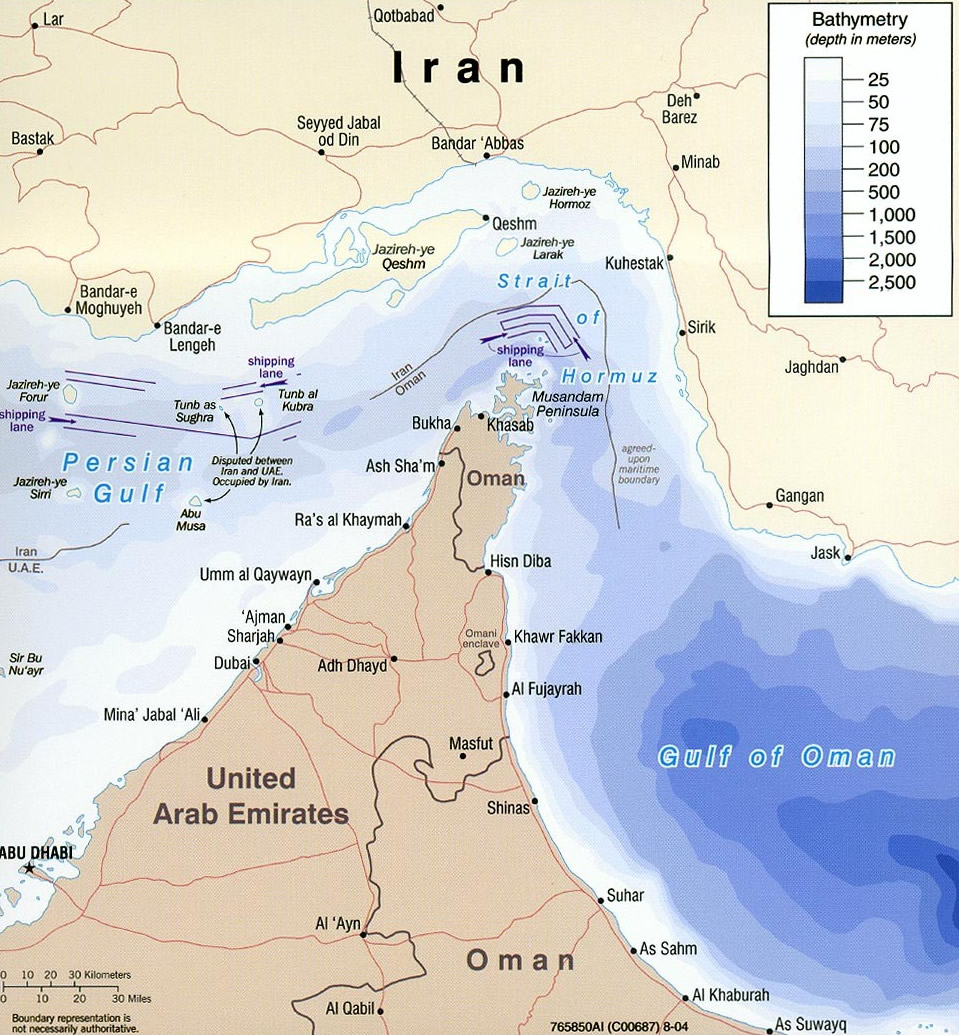
Three weeks ago, he launched a hot war against Iran.
The United States, which is nearly self-sufficient in terms of oil, is not threatened by that bottleneck. Prices, however, skyrocketed. And last week, Trump reminded the world “when oil prices go up, we make a lot of money.”
In response—a response any first-year political science student could have predicted—Iran threatened the safety of shipping through the Strait of Hormuz, sending the cost of oil skyrocketing and imperiling the global flow of oil. And now Trump is calling for other countries to pledge military support to secure the Strait, in effect, demanding they clean up after his mistake.
Who benefits?
The “we” in that Trump quote is not the average American; it’s the oil companies in the US. And quite possibly Trump himself and his close advisors. The US oil companies, for whom the cost of producing and distributing oil and gasoline have not changed, now get to sell their product for more money.
Global instability also leads to lower values for national currencies, increasing interest in those media which are not tied to any nation, such as cryptocurrencies. In October 2025, Bitcoin peaked at a value around $126,000 per coin. It then plummeted to about $62,000 in February. Since Trump launched this war, it is back up to $74,000, a 20% increase. Ethereum—one of the cryptocurrencies in the president’s personal portfolio—has followed a similar trajectory.
Saudi Arabia is almost the undisputed power in the Gulf region. Indeed, the only country that can threaten them is Iran, which is lead by people who are unpredictable and dangerous. Reports March 16 say that the crown prince of Saudi Arabia, Mohammed Bin Salman, is speaking regularly with Trump, urging him to continue attacking Iran harshly.
Meanwhile, since the onset of this war, you haven’t thought about the Trump-Epstein Files, have you?
Presidential historian Ian Randal Strock is a publisher and writer whose home on the web is at IanRandalStrock.com. He is the recipient of two AnLab Awards, the American Mensa National Service Award, and the 2025 Skylark Award.
 ventrellaquest.com